Laser Cut Cat Template Paper Cut Cat
A Designer’s First Glance: Whimsy, Simplicity, and That Delicate Edge
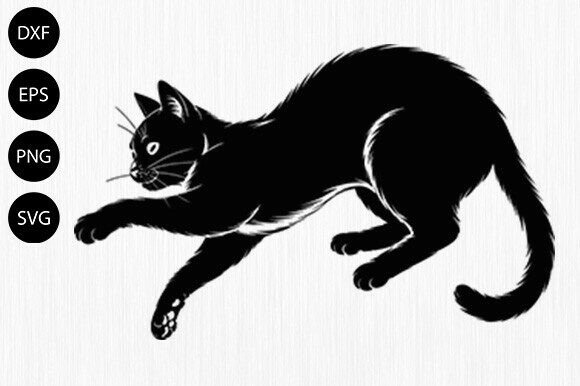
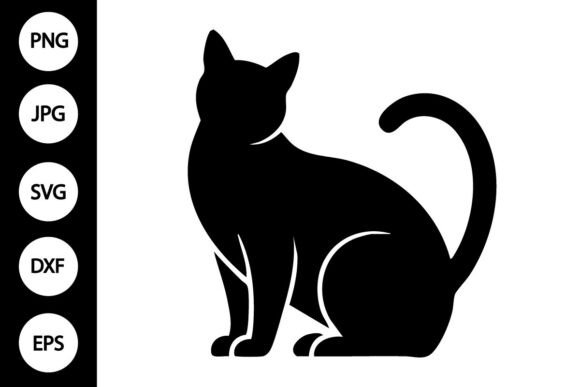
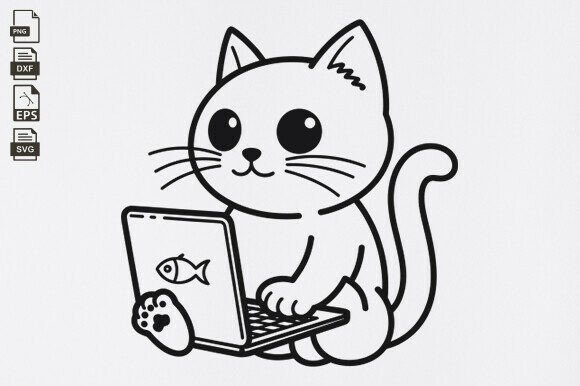
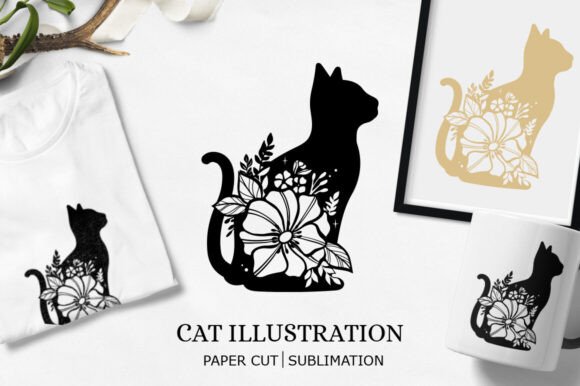
When I opened the Laser Cut Cat Template Paper Cut Cat, my first thought wasn’t “cute”—it was “clean.” There’s a quiet confidence in its silhouette: a single, fluid feline profile, cut with precision, no frills, no clutter. It reads as both playful and poised—ideal for a handmade tote bag destined for a local farmers’ market or a minimalist baby onesie meant to feel soft, not saccharine. As an embroidery designer who’s stitched hundreds of cat motifs—from cartoonish to hyper-realistic—I appreciate how this design avoids visual noise. Its strength lies in negative space and contour. That means fewer tiny fill areas to wrestle with on delicate fabrics, and more room for stitch texture to shine.
Where It Shines (and Where It Needs Care)
I tested the Laser Cut Cat Template Paper Cut Cat across three real projects: a linen tea towel for a boutique kitchen line, a cotton twill apron for a small-batch bakery, and a lightweight organic cotton baby blanket. On the towel? Perfect. The crisp outline translated beautifully into satin stitch with subtle variegated thread—elegant but unmistakably handmade. On the apron? Slightly trickier: the fabric’s tight weave held detail well, but the narrowest ear tip needed a stabilizer boost to prevent puckering. On the baby blanket? A gentle reminder: ultra-soft knits demand lighter stitch density and careful hooping—this design’s clean lines stayed legible, but I reduced fill stitch coverage by 15% to keep it breathable.
This isn’t a design built for dense, multi-layered applique or heavy metallic thread work. It’s at its best as a machine embroidery design that leans into simplicity: think running stitch outlines on denim caps, understated satin stitch on sweatshirt cuffs, or even a single-color fill stitch on a neutral-toned pillow cover. It’s equally effective as an embroidery file for digital mockups—its vector-based SVG and EPS formats scale cleanly for Etsy listings or printable mockups without pixelation.
Real-World Fit: From Craft Fair Booth to Etsy Shop
- Custom apparel: Works beautifully on crewneck sweatshirts and relaxed-fit tees—especially when placed off-center or along a seam for intentional asymmetry.
- Personalized gifts: Ideal for monogrammed baby items (think: “Luna & Co.” + cat beside a name on a burp cloth) where charm matters more than complexity.
- Small shop product: Stitches fast, uses modest thread, and reads clearly at 3–4 inches wide—great for high-turnover craft fair inventory.
- Embroidered patch: Clean edges mean sharp heat-transfer or sew-on results; just avoid overly curved surfaces like baseball cap crowns unless you’re using a frame-style hoop.
- Holiday embroidery: Pair with seasonal thread (deep evergreen, warm terracotta) on natural-fiber stockings or linen napkins—it feels timeless, not trend-bound.
The Texture Trap: What Fabric Choice Really Changes
Fabric texture changes everything—and the Laser Cut Cat Template Paper Cut Cat reveals those shifts instantly. On smooth pima cotton? Crisp, confident, professional. On terry cloth towels? The design softened—edges blurred slightly, so I added a light tear-away stabilizer *under* the fabric and ran a tighter satin stitch. On dark fabric? No surprises—the bold silhouette holds up, but I always test thread contrast first: matte black thread on charcoal felt flat, while charcoal-grey on navy created subtle depth. On stretchy fabric? Proceed with caution: use cutaway stabilizer, reduce stitch speed, and avoid placing near seams or armholes where tension pulls.
Design Assets That Earn Their Place in Your Workflow
What makes the Laser Cut Cat Template Paper Cut Cat more than just another digital embroidery file? It’s versatility rooted in restraint. You get one clean cut file—but inside are SVG, PNG, JPG, EPS, and DXF formats. That means you can prep for embroidery machines, drop into Canva for social mockups, trace for hand-cut paper crafts, or import into Silhouette Studio for vinyl cutting. For Etsy sellers and craft business owners, that flexibility saves hours. No need to buy separate files for digital previews, physical products, and social media assets.
But here’s what I tell every client and fellow designer: always test before committing. Run the embroidery file on scrap fabric matching your final project’s weight and stretch. Check how small details hold up—especially the inner ear curve and chin point. Review stitch density in your software: if it’s over 12,000 stitches for a 3-inch version, consider simplifying fill areas. Confirm your hoop size accommodates the widest dimension comfortably—no last-minute repositioning mid-stitch. And crucially: verify licensing terms. Since the listing states “You will get 1 Cut file,” assume it’s for personal and commercial use *of finished items*, but double-check before reselling the SVG or PNG as standalone digital goods.
Final Thought: Charm With Intention
The Laser Cut Cat Template Paper Cut Cat won’t wow with flash—but it earns trust through clarity. Customers notice when a design feels considered, not copied. When you use it on a handmade product—a linen pouch, a holiday ornament, a custom apron—it signals care in curation, not just execution. It fits naturally in a crafts workflow because it respects material, machine, and maker. As a graphics asset, it bridges digital and tactile worlds without demanding perfection—just thoughtful placement, smart stabilizing, and respect for how thread and fabric converse. Whether you’re stitching for joy, gifting with meaning, or building a small shop with integrity, this cat doesn’t distract. It belongs.