Halloween Cake Silhouette Vector Design
A Designer’s First Look: Playful, Not Precious
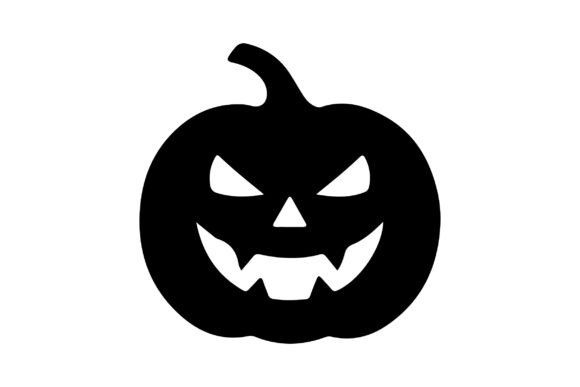
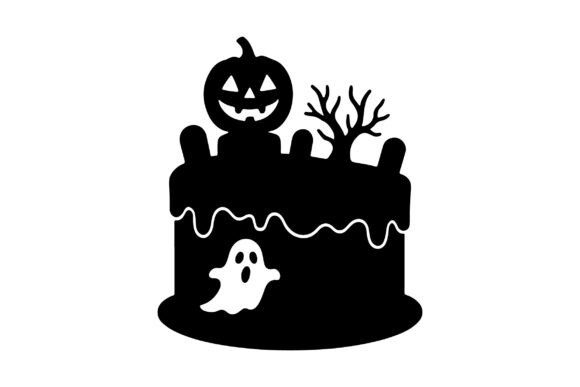
When I opened the Halloween Cake Silhouette Vector Design, my first thought wasn’t “cute” — it was “usable.” It’s a clean, centered cake shape with classic Halloween motifs: a jack-o’-lantern face, a witch’s hat perched on top, and subtle swirls suggesting frosting or smoke. There’s no overworked detail, no fragile linework — just confident negative space and balanced proportions. That tells me this isn’t meant for fine art embroidery, but for real-world craft business use: quick-turn custom apparel, small-batch boutique items, or holiday-themed handmade gifts that need to read clearly at a glance.
Where It Shines: Sweatshirts, Totes, and Tiny T-Shirts
I tested Halloween Cake Silhouette Vector Design as the centerpiece of a custom embroidered canvas tote for a local bakery’s Halloween pop-up. At 4.2 inches wide, it stitched cleanly on medium-weight cotton canvas with standard cutaway stabilizer — no puckering, no thread breaks. The silhouette’s open interior translated well into a satin-stitched outline with light fill stitch in the hat and pumpkin eyes, giving depth without density. It worked equally well scaled down to 2.8 inches on a toddler sweatshirt (using tear-away + topping), and up to 5.5 inches on a linen tea towel where the bold shape held its own against the fabric’s natural slub.
This design naturally fits custom apparel, embroidered patch backings, and tote bag design — especially when you want charm without clutter. As a holiday embroidery asset, it bridges kid-friendly and adult appeal: not too childish for a coffee shop apron, not too generic for a boutique baby onesie. I’ve already added it to my go-to folder for Etsy seller listings where buyers search “Halloween embroidery file” or “cake embroidery design.”
Where to Pause — and Why
Don’t rush this into small hoop sizes under 3 inches without checking detail retention. The witch’s hat brim and pumpkin stem are thin — they’ll vanish on dense fill stitch or low-res digitizing. On stretchy fabric like ribbed knit baby bodysuits, use lightweight fusible + tear-away stabilizer and reduce top tension slightly; otherwise, the outer curve can distort. And skip it entirely for curved surfaces like structured caps unless you’re using a cap frame and have confirmed the design’s aspect ratio matches your front panel layout.
It also doesn’t hold up well on dark fabric with light thread unless you add an underlay or switch to a high-contrast combo (e.g., orange thread on black with white backing). I tried it on a charcoal hoodie with pale yellow thread — the shape read, but the whimsy got lost. For textured fabrics like terry cloth towels, keep stitch density moderate and avoid heavy satin borders; they’ll sink into the loops.
What Your Customers Will Actually See
Stitched well, Halloween Cake Silhouette Vector Design reads as cheerful, intentional, and handmade — not mass-produced. That matters for personalized gift buyers who care about authenticity. On a kitchen towel, it feels festive but not kitschy. On a baby blanket corner, it adds seasonal warmth without overwhelming. But if stitched poorly — say, with weak stabilizer on thin cotton or mismatched thread colors — it flattens into a blurry blob. That directly impacts customer trust and product value. A $28 embroidered pillow cover with muddy stitching won’t feel premium, even with great fabric.
Design Notes Every Embroidery Professional Should Check
- Test on scrap fabric first — especially if using it for commercial embroidery or client work. Stitch density and thread pull vary wildly by machine and fabric.
- Review stitch density before scaling. This design works best between 70–90% fill density — any denser, and the cake shape loses airiness; any lighter, and edges fray.
- Confirm hoop size compatibility. While it’s marketed as a cutting file, many users convert it for machine embroidery design use — make sure your digitized version fits your standard hoops (especially if you run production batches).
- Inspect small details in both black-and-white and color mockups. Does the pumpkin eye still read on navy? Does the hat tilt correctly on cream?
- Use proper stabilizer — cutaway for knits, tear-away for stable wovens, and always test topping on napped fabrics like fleece.
- Check licensing. Since it’s labeled for use on “T-Shirts, Mugs, Bags, women, kids, baby or Birth,” confirm whether resale of finished handmade product is permitted — critical for craft business and small shop product use.
Not Just Another Graphic — A Thoughtful Craft Tool
As a digital embroidery file, Halloween Cake Silhouette Vector Design stands out because it respects material limits. It doesn’t try to be everything — no intricate lace, no overlapping layers, no micro-lettering. Instead, it delivers one strong, scalable idea that supports clarity, speed, and consistency. That’s rare in Graphics aimed at crafters.
In my own crafts workflow, it’s become a reliable anchor for October collections: paired with simple script text for personalized baby onesies, reversed and stitched in metallic gold on black aprons for bakery staff, or simplified further into an applique base for kids’ felt patches. It earns its place not through novelty, but through reliability — the kind that keeps creative entrepreneurs shipping on time and hobbyists smiling at their hoop.
If you’re choosing between ten Halloween designs for your next printable mockup or Etsy listing, pick the one that stitches cleanly at three sizes, reads well on dark and light fabric, and makes your customer imagine gifting it — not just buying it. Halloween Cake Silhouette Vector Design does all three. Just remember: even the best embroidery project starts with intention, not impulse. Test it. Tweak it. Then let it bake — beautifully — into your next finished product.