Cat Head SVG for Cricut & Silhouette
First Impressions: A Playful, Clean Shape That Feels Handmade—Not Generic
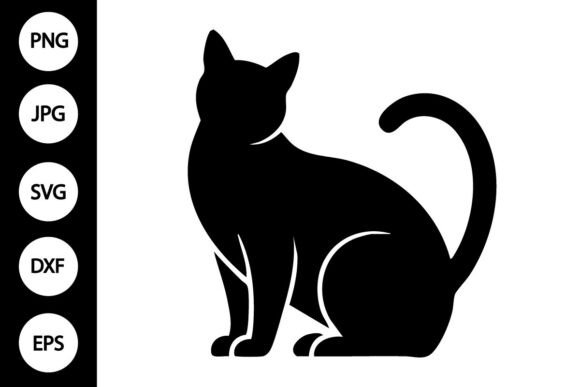
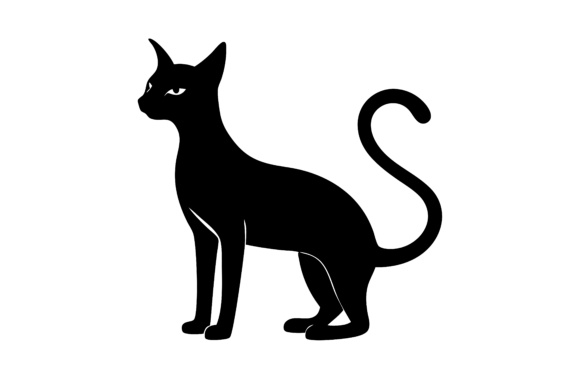
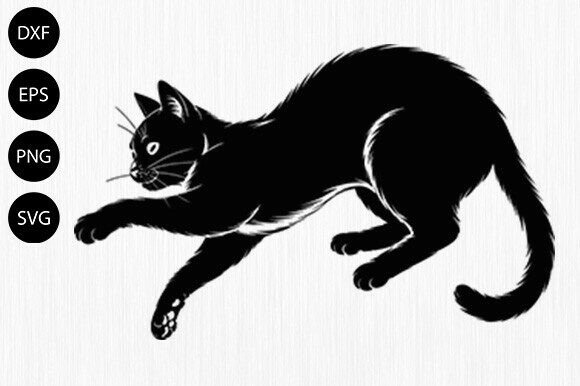
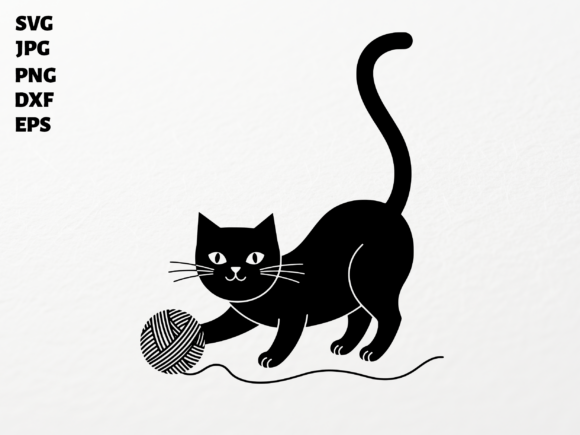
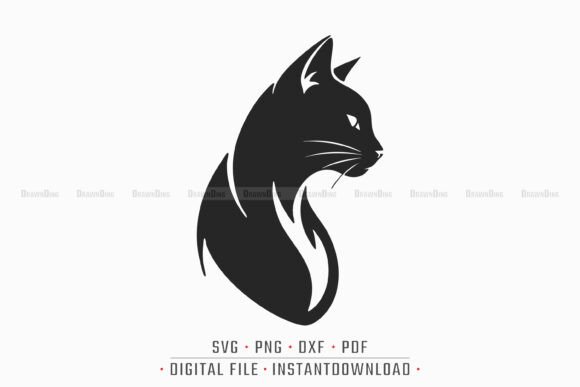
Opening Cat Head SVG, Cricut, Silhouette feels like unboxing a well-sketched idea—not a stock clipart afterthought. The silhouette is bold but not oversimplified: ears have subtle taper, the chin curves with gentle confidence, and the negative space around the face invites breathing room in stitching. It’s not cartoonish or cutesy; it’s quietly expressive—think “curious observer” rather than “grinning mascot.” That nuance matters when you’re embroidering a baby onesie or stitching a boutique apron for a cat café owner. This isn’t background filler—it’s a focal point with personality.
Real-World Test: Stitching It on a Linen Tea Towel for a Local Gift Shop
Last week, I prepped Cat Head SVG, Cricut, Silhouette for a small-batch run of embroidered kitchen towels—linen blend, medium weight, hemmed by hand. No dense fill stitches, no satin borders—just a clean outline + light fill to keep texture visible. The design scaled beautifully at 3.5 inches wide, holding crispness across curved hems and folded corners. Customers responded immediately: “It looks *designed*, not downloaded.” That distinction—between generic graphics and intentional design assets—shows up most in handmade product perception. When your Etsy listing features this as a sweatshirt embroidery or tote bag design, buyers subconsciously register craftsmanship because the shape respects fabric and stitch behavior.
Where It Shines (and Where to Pause)
- Custom apparel: Works cleanly on cotton tees, fleece sweatshirts, and structured caps—especially when paired with a simple monogram or tiny paw icon nearby. The open face area avoids heavy thread buildup, so it breathes on knit fabrics.
- Baby embroidery: Ideal for onesies, burp cloths, and pillow covers. Its smooth contours avoid sharp points that snag delicate seams or irritate skin.
- Patches & applique designs: The SVG’s clean vector paths translate smoothly into cut-and-sew applique. No jagged edges, no nested corners that trap thread.
- Holiday or personalized gifts: Paired with a name or year (“Mittens • 2024”), it reads warm and thoughtful—not mass-produced.
- Small shop merchandise: Looks cohesive across tea towels, ceramic mugs (via sublimation using the included PNG), and embroidered patches sold as add-ons.
Use With Intention—Not Just Convenience
This isn’t a “throw-it-on-anything” graphic. On thin or highly textured fabrics—like lightweight rayon or bouclé—weave—the fine inner lines can blur unless stabilized properly. On dark fabric, avoid light thread without testing contrast first; the design’s charm lives in its balance, not brightness. And while it fits comfortably in a 4x4 hoop, pushing it past 4.25 inches risks losing definition in the ear tips and jawline during machine embroidery. For curved surfaces like baseball caps, consider simplifying the bottom curve slightly—or use it as a front-panel accent, not a full crown wrap. Also: check stitch density before running batches. If your embroidery software adds extra underlay or auto-denses the fill, it may mute the design’s airy feel on lightweight garments.
Design Judgment: How It Builds Trust—and Sales
As a designer who’s reviewed hundreds of digital embroidery files, I notice what makes buyers pause mid-scroll: clarity, consistency, and context. Cat Head SVG, Cricut, Silhouette delivers all three. Its single-file focus (SVG, PNG, DXF) signals purpose—not bloat. The absence of decorative extras (no bows, no glitter effects, no forced fonts) means it adapts instead of competing. That flexibility builds brand consistency whether you’re an Etsy seller branding pet-themed goods or a craft fair vendor offering custom tote bags. Customers trust simplicity done well. They also recognize when a design was made *for* embroidery—not just adapted from web graphics. That professionalism elevates perceived value, especially for personalized gifts and boutique products.
Practical Embroidery Designer Notes
- Always test Cat Head SVG, Cricut, Silhouette on scrap fabric matching your final project—especially for stretchy knits or textured weaves.
- Check thread color contrast early: try black thread on cream linen, then white on navy cotton duck. See how legibility holds.
- Review stitch density in your embroidery software—don’t rely on default settings. Lighter fills often read cleaner on apparel.
- Confirm hoop size compatibility before digitizing. While the SVG scales well, extreme resizing changes stitch behavior.
- Inspect small details at 200% zoom: ear tips, chin contour, eye socket openness—all should remain distinct after stitching.
- Test mockups in both black-and-white and color. Does the shape retain character without color cues?
- Use appropriate stabilizer: tear-away for stable wovens, cut-away for knits, and lightweight mesh for sheer layers.
- Verify licensing terms before selling finished items or bundling the file with other design assets—this is critical for craft business owners and digital product sellers.
Final Thought: A Quietly Confident Design Asset
Cat Head SVG, Cricut, Silhouette doesn’t shout. It leans in. That makes it unusually versatile—for a nursery wall hanging, a minimalist apron for a baker, a holiday ornament stitched on velvet, or even a subtle logo for a handmade soap label. It belongs in the toolkit of designers who value restraint, function, and quiet charm over flash. In a market flooded with busy graphics and over-rendered cats, this one earns its place—not because it’s trendy, but because it works, respectfully, across real materials, real machines, and real customers. Whether you’re building a craft business, curating a boutique line, or stitching heartfelt gifts, it’s the kind of design asset that grows more useful the longer you keep it.